Uncategorized

Revolutionizing the Legal Landscape: AI Applications in Legal Research, Regulatory Compliance, Generative AI for Compliance, and Contract Management

In the rapidly evolving legal industry, Artificial Intelligence (AI) is emerging as a transformative force, redefining traditional practices and introducing unprecedented efficiency. This article delves into four distinct AI applications within the legal sector, shedding light on how AI is reshaping legal research, regulatory compliance, generative AI for compliance, and contract management.

AI for Legal Research: A Quantum Leap in Information Retrieval

In the intricate realm of legal research, AI serves as a game-changer. AI in legal research is erasing Traditional methods of scouring through extensive legal databases which are being replaced by AI-driven solutions. Natural Language Processing (NLP) and machine learning algorithms enable legal professionals to extract insights swiftly, enhancing the speed and accuracy of their research endeavors.

Navigating Regulatory Compliance with AI Precision

The labyrinth of regulatory compliance demands constant vigilance, a task that AI is adept at handling. AI in regulatory compliance monitors legal and regulatory changes in real-time, providing legal professionals with proactive insights. This dynamic approach ensures businesses can swiftly adapt their compliance strategies, mitigating the risks associated with non-compliance and regulatory penalties.

Generative AI for Compliance: Crafting the Future of Legal Adherence

Generative AI for compliance takes it to a new dimension by simulating various scenarios based on regulatory requirements. By generating synthetic datasets, legal professionals can test and refine compliance strategies. This proactive approach ensures businesses anticipate and address compliance challenges, fostering a resilient and adaptable compliance framework.

Streamlining Legal Processes with AI in Contract Management

Contract management, a traditionally labor-intensive process, witnesses a paradigm shift with AI integration. AI in contract management automates routine tasks and provides intelligent insights by leveraging NLP. This streamlined approach enhances the efficiency and accuracy of contract management, minimizing errors and ensuring compliance with contractual terms.

Achieving Synergy Across AI Use Cases

The integration of these AI use cases creates a harmonious synergy within the legal industry. Insights derived from legal research can seamlessly inform compliance strategies, ensuring regulatory changes are seamlessly integrated. Generative AI for compliance and AI-enhanced contract management further contribute to the adaptability and resilience of legal frameworks.

Conclusion: The AI-Powered Legal Renaissance

As AI continues to carve its path through the legal landscape, the impact is transformative. Legal professionals embracing AI applications are not merely adopting technological tools; they are ushering in a legal renaissance. AI for legal research, regulatory compliance, generative AI for compliance, and contract management collectively shape a future where the legal industry is not just reactive but proactive, leveraging technology for unprecedented efficiency and strategic prowess. The journey has just begun, and the synergy between human expertise and AI capabilities promises to redefine the way legal professionals navigate complexities, ensuring a more agile, accurate, and strategic approach to legal challenges.
Standard
Uncategorized

Transforming Finance: AI’s Impact on Wealth Management, Decision-Making, Compliance, Credit Scoring, Accounting, Auditing, Financial Modeling, and Planning

Introduction

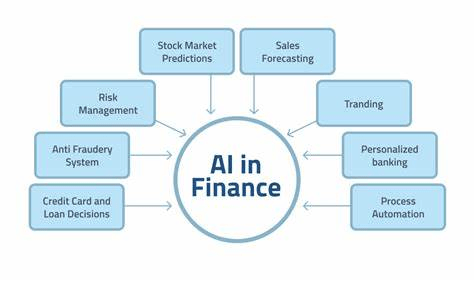
In the ever-evolving landscape of finance, Artificial Intelligence (AI) is emerging as a powerful catalyst, reshaping traditional practices and unlocking new possibilities. This article explores key AI use cases in finance, spanning wealth management, decision-making, financial compliance, credit scoring, accounting, auditing, financial modeling, and financial planning.

AI in Wealth Management

Traditional Challenges

Wealth management traditionally faced challenges in providing personalized, data-driven insights to clients while managing diverse portfolios.

AI’s Personalized Approach

AI in wealth management utilizes machine learning algorithms to analyze client data, market trends, and risk factors. This enables financial advisors to offer personalized investment strategies, optimize portfolios, and enhance client satisfaction.

AI in Decision-Making

Data Overload in Decision-Making

The finance industry grapples with vast datasets, making decision-making a complex and time-consuming process.

AI’s Analytical Precision

AI in decision-making streamlines the process by analyzing intricate financial data swiftly. This enables financial professionals to make informed decisions, navigate market complexities, and seize opportunities with greater precision.

AI in Financial Compliance

Navigating Regulatory Challenges

Financial institutions face stringent regulatory requirements, creating challenges in maintaining compliance and avoiding penalties.

AI’s Regulatory Navigation

AI in financial compliance regulates the processes by continuously monitoring regulatory changes. This ensures financial institutions can adapt swiftly, reducing compliance risks and maintaining a robust regulatory framework.

AI-Based Credit Scoring

Traditional Credit Scoring Limitations

Conventional credit scoring models may overlook relevant data, impacting the accuracy of credit assessments.

AI’s Data-Rich Evaluation

AI-based credit scoring leverages vast datasets and machine learning algorithms to assess creditworthiness comprehensively. This approach provides more accurate credit scores, reducing risk for lenders and enabling fairer assessments.

AI in Accounting and Auditing

Manual Workload in Accounting and Auditing

Manual entry, reconciliation, and auditing processes in finance are labor-intensive and susceptible to errors.

AI’s Automated Precision

AI in accounting and auditing automates routine accounting tasks and enhances auditing processes through machine learning. This reduces errors, improves accuracy, and allows financial professionals to focus on strategic analysis.

AI in Financial Modeling

Traditional Modeling Complexity

Creating accurate financial models manually is time-consuming and may not capture dynamic market changes.

AI’s Dynamic Modeling

AI in financial modeling adapts to real-time market data, economic indicators, and financial trends. This dynamic modeling allows for more accurate predictions, improving forecasting and risk management.

AI in Financial Planning

Challenges in Traditional Financial Planning

Traditional financial planning processes may struggle to integrate diverse financial data and adapt to changing economic conditions.

AI’s Adaptive Planning

AI in financial planning incorporates a wide range of variables, offering adaptive models that respond to market shifts. This enables financial professionals to create more robust, flexible, and realistic financial plans.

Conclusion

AI’s integration into finance is a paradigm shift, enhancing efficiency, accuracy, and strategic decision-making. From wealth management to financial planning, AI use cases are revolutionizing traditional practices, providing financial professionals with unprecedented tools and insights. Embracing AI in finance is not just a technological advancement; it is a strategic imperative for those seeking to stay ahead in a rapidly evolving financial landscape. As AI continues to evolve, the synergy between human expertise and AI capabilities promises to redefine financial practices, fostering a more resilient, adaptive, and innovative financial industry.

Standard