Uncategorized

Revolutionizing the Legal Landscape: AI Applications in Legal Research, Regulatory Compliance, Generative AI for Compliance, and Contract Management

In the rapidly evolving legal industry, Artificial Intelligence (AI) is emerging as a transformative force, redefining traditional practices and introducing unprecedented efficiency. This article delves into four distinct AI applications within the legal sector, shedding light on how AI is reshaping legal research, regulatory compliance, generative AI for compliance, and contract management.

AI for Legal Research: A Quantum Leap in Information Retrieval

In the intricate realm of legal research, AI serves as a game-changer. AI in legal research is erasing Traditional methods of scouring through extensive legal databases which are being replaced by AI-driven solutions. Natural Language Processing (NLP) and machine learning algorithms enable legal professionals to extract insights swiftly, enhancing the speed and accuracy of their research endeavors.

Navigating Regulatory Compliance with AI Precision

The labyrinth of regulatory compliance demands constant vigilance, a task that AI is adept at handling. AI in regulatory compliance monitors legal and regulatory changes in real-time, providing legal professionals with proactive insights. This dynamic approach ensures businesses can swiftly adapt their compliance strategies, mitigating the risks associated with non-compliance and regulatory penalties.

Generative AI for Compliance: Crafting the Future of Legal Adherence

Generative AI for compliance takes it to a new dimension by simulating various scenarios based on regulatory requirements. By generating synthetic datasets, legal professionals can test and refine compliance strategies. This proactive approach ensures businesses anticipate and address compliance challenges, fostering a resilient and adaptable compliance framework.

Streamlining Legal Processes with AI in Contract Management

Contract management, a traditionally labor-intensive process, witnesses a paradigm shift with AI integration. AI in contract management automates routine tasks and provides intelligent insights by leveraging NLP. This streamlined approach enhances the efficiency and accuracy of contract management, minimizing errors and ensuring compliance with contractual terms.

Achieving Synergy Across AI Use Cases

The integration of these AI use cases creates a harmonious synergy within the legal industry. Insights derived from legal research can seamlessly inform compliance strategies, ensuring regulatory changes are seamlessly integrated. Generative AI for compliance and AI-enhanced contract management further contribute to the adaptability and resilience of legal frameworks.

Conclusion: The AI-Powered Legal Renaissance

As AI continues to carve its path through the legal landscape, the impact is transformative. Legal professionals embracing AI applications are not merely adopting technological tools; they are ushering in a legal renaissance. AI for legal research, regulatory compliance, generative AI for compliance, and contract management collectively shape a future where the legal industry is not just reactive but proactive, leveraging technology for unprecedented efficiency and strategic prowess. The journey has just begun, and the synergy between human expertise and AI capabilities promises to redefine the way legal professionals navigate complexities, ensuring a more agile, accurate, and strategic approach to legal challenges.

Standard
Uncategorized

Transforming Finance: AI’s Impact on Wealth Management, Decision-Making, Compliance, Credit Scoring, Accounting, Auditing, Financial Modeling, and Planning

Introduction

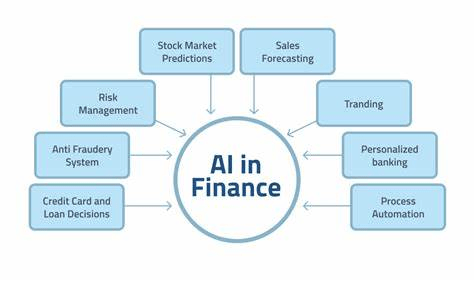
In the ever-evolving landscape of finance, Artificial Intelligence (AI) is emerging as a powerful catalyst, reshaping traditional practices and unlocking new possibilities. This article explores key AI use cases in finance, spanning wealth management, decision-making, financial compliance, credit scoring, accounting, auditing, financial modeling, and financial planning.

AI in Wealth Management

Traditional Challenges

Wealth management traditionally faced challenges in providing personalized, data-driven insights to clients while managing diverse portfolios.

AI’s Personalized Approach

AI in wealth management utilizes machine learning algorithms to analyze client data, market trends, and risk factors. This enables financial advisors to offer personalized investment strategies, optimize portfolios, and enhance client satisfaction.

AI in Decision-Making

Data Overload in Decision-Making

The finance industry grapples with vast datasets, making decision-making a complex and time-consuming process.

AI’s Analytical Precision

AI in decision-making streamlines the process by analyzing intricate financial data swiftly. This enables financial professionals to make informed decisions, navigate market complexities, and seize opportunities with greater precision.

AI in Financial Compliance

Navigating Regulatory Challenges

Financial institutions face stringent regulatory requirements, creating challenges in maintaining compliance and avoiding penalties.

AI’s Regulatory Navigation

AI in financial compliance regulates the processes by continuously monitoring regulatory changes. This ensures financial institutions can adapt swiftly, reducing compliance risks and maintaining a robust regulatory framework.

AI-Based Credit Scoring

Traditional Credit Scoring Limitations

Conventional credit scoring models may overlook relevant data, impacting the accuracy of credit assessments.

AI’s Data-Rich Evaluation

AI-based credit scoring leverages vast datasets and machine learning algorithms to assess creditworthiness comprehensively. This approach provides more accurate credit scores, reducing risk for lenders and enabling fairer assessments.

AI in Accounting and Auditing

Manual Workload in Accounting and Auditing

Manual entry, reconciliation, and auditing processes in finance are labor-intensive and susceptible to errors.

AI’s Automated Precision

AI in accounting and auditing automates routine accounting tasks and enhances auditing processes through machine learning. This reduces errors, improves accuracy, and allows financial professionals to focus on strategic analysis.

AI in Financial Modeling

Traditional Modeling Complexity

Creating accurate financial models manually is time-consuming and may not capture dynamic market changes.

AI’s Dynamic Modeling

AI in financial modeling adapts to real-time market data, economic indicators, and financial trends. This dynamic modeling allows for more accurate predictions, improving forecasting and risk management.

AI in Financial Planning

Challenges in Traditional Financial Planning

Traditional financial planning processes may struggle to integrate diverse financial data and adapt to changing economic conditions.

AI’s Adaptive Planning

AI in financial planning incorporates a wide range of variables, offering adaptive models that respond to market shifts. This enables financial professionals to create more robust, flexible, and realistic financial plans.

Conclusion

AI’s integration into finance is a paradigm shift, enhancing efficiency, accuracy, and strategic decision-making. From wealth management to financial planning, AI use cases are revolutionizing traditional practices, providing financial professionals with unprecedented tools and insights. Embracing AI in finance is not just a technological advancement; it is a strategic imperative for those seeking to stay ahead in a rapidly evolving financial landscape. As AI continues to evolve, the synergy between human expertise and AI capabilities promises to redefine financial practices, fostering a more resilient, adaptive, and innovative financial industry.

Standard
Uncategorized

Revolutionizing Industries with Leading AI Development Services

In today’s rapidly evolving technological landscape, Artificial Intelligence (AI) has emerged as a game-changer for businesses across industries. Harnessing the power of AI can significantly enhance efficiency, decision-making, and customer experiences. As the demand for AI-driven solutions continues to soar, the importance of partnering with a reputable AI app development company becomes paramount. In this article, we will explore the realm of AI development services and shed light on the capabilities and expertise of an AI Development Services Company in delivering cutting-edge solutions.

The Evolution of Artificial Intelligence Development Services

Artificial Intelligence development services have come a long way since their inception. What started as rudimentary algorithms and rule-based systems has now evolved into complex machine learning and deep learning models. These advancements have paved the way for the development of AI-powered applications that can understand, analyze, and adapt to vast sets of data.

In today’s digital era, businesses must leverage AI to remain competitive and relevant. As a result, AI development services have grown exponentially to meet this demand. One such AI app development company that has risen to prominence in this field is LeewayHertz.

LeewayHertz: A Leading AI Development Services Company

LeewayHertz is a renowned AI Development Services Company with a proven track record of delivering innovative AI solutions to businesses of all sizes. Specializing in AI app development, their team of experts combines technical prowess with creative thinking to create custom AI solutions tailored to clients’ specific needs.

AI Development Services Offered by LeewayHertz

  1. AI-Powered Mobile Apps: LeewayHertz excels in AI app development, creating applications that can process vast amounts of data and provide users with personalized experiences. These apps leverage machine learning algorithms to make predictions, recommendations, and automate tasks, enhancing user engagement and satisfaction.
  2. Machine Learning Solutions: As a leading AI development services company, LeewayHertz offers robust machine learning solutions that can analyze and interpret data to uncover valuable insights. These solutions can be applied across various domains, including healthcare, finance, e-commerce, and more.
  3. Natural Language Processing (NLP): NLP is a critical component of AI development services, and LeewayHertz is at the forefront of NLP technology. Their expertise in NLP enables them to build chatbots, virtual assistants, and sentiment analysis tools that improve customer service and engagement.
  4. Computer Vision: LeewayHertz’s AI development services encompass computer vision, allowing businesses to harness the power of image and video analysis. This technology can be applied in fields like retail for product recognition, in healthcare for medical image analysis, and in security for facial recognition.
  5. AI Consulting: Beyond development, LeewayHertz serves as a trusted AI consultant, helping businesses identify opportunities for AI integration and crafting strategies to maximize the benefits of artificial intelligence.

Why Choose LeewayHertz as Your AI Development Partner?

  1. Expertise: LeewayHertz boasts a team of highly skilled AI developers and data scientists who are well-versed in the latest AI technologies and trends.
  2. Custom Solutions: This AI Development Services Company believes in a personalized approach, tailoring AI solutions to meet the unique requirements of each client.
  3. Proven Track Record: With a portfolio of successful AI projects, LeewayHertz has garnered a reputation for delivering high-quality, results-driven solutions.
  4. Client-Centric Approach: They prioritize client satisfaction, maintaining open communication throughout the project’s lifecycle and ensuring that the final product aligns with the client’s vision.
  5. Continuous Innovation: In the ever-evolving field of AI, LeewayHertz remains committed to staying ahead of the curve, integrating the latest advancements into their services.

Conclusion

In a world where AI is driving transformative change across industries, partnering with a reputable AI Development Services Company like LeewayHertz is a strategic move for businesses seeking to leverage the power of artificial intelligence. Whether it’s AI app development, machine learning solutions, NLP, computer vision, or AI consulting, LeewayHertz offers a comprehensive suite of services that can elevate your business to new heights. Embrace the future of AI and position your business for success with the support of a trusted AI development partner.

Read More : https://www.leewayhertz.com/ai-development-services-company/

Standard
Generative AI Development, Uncategorized

Exploring the Boundless Possibilities of Generative AI Development

In the fast-paced world of technology, innovation knows no bounds. One such groundbreaking innovation that has captured the attention of developers and businesses alike is Generative AI development. With its ability to create content, images, and even entire applications, Generative AI is pushing the boundaries of what’s possible in the realm of artificial intelligence. In this blog post, we’ll delve into the realm of Generative AI development services and explore its wide-ranging applications that are shaping industries across the globe.

Understanding Generative AI Development

Generative AI is a subset of artificial intelligence that involves training models to generate new content based on existing data. Unlike traditional AI models that follow predefined rules, Generative AI has the ability to learn patterns and create something new and original. This breakthrough technology has opened up a world of possibilities, from generating text to creating images, music, and even video content.

Generative AI Development Services

The rapid evolution of Generative AI has given rise to a new wave of specialized services offered by companies like LeewayHertz, a leading Generative AI development company. These services cater to various industries and business needs, ranging from content generation to custom application development. Let’s explore some of the key offerings within Generative AI development services:

  1. Content Generation: From creating marketing copy to drafting personalized emails, Generative AI can mimic human language patterns to generate high-quality written content. This not only saves time but also ensures consistent and coherent messaging across various channels.
  2. Image Synthesis: Generative AI can generate lifelike images based on a given dataset. This has applications in fields such as fashion, interior design, and product visualization. Businesses can now create visuals for their products without the need for costly photoshoots.
  3. Music and Art Creation: Artists and musicians can harness the power of Generative AI to create unique pieces of art and music. The technology can analyze existing works and produce new compositions that emulate the style of renowned artists.
  4. Video Production: Creating videos from scratch is a time-consuming process. Generative AI can automate parts of this process by generating scenes, animations, and even special effects, making video production more efficient and cost-effective.
  5. Custom Application Development: Generative AI development services extend beyond content creation. Businesses can collaborate with development companies to build custom applications that leverage Generative AI algorithms. These applications can automate complex tasks, improve user experiences, and enhance decision-making processes.

Generative AI Applications

The applications of Generative AI are far-reaching and diverse, impacting various industries in unique ways. Here are some notable examples:

  1. Healthcare: In medical imaging, Generative AI can enhance the quality of MRI and CT scans, providing clearer insights for diagnosis. It can also assist in drug discovery by predicting molecular structures with higher accuracy.
  2. Gaming: Game developers are using Generative AI to create immersive environments, characters, and even game levels. This technology can adapt to player behavior, providing a dynamic and personalized gaming experience.
  3. Fashion and Design: The fashion industry is leveraging Generative AI to design clothing, accessories, and textiles. It enables designers to explore innovative patterns and styles that might not be feasible through traditional methods.
  4. Finance: Generative AI is transforming financial analysis by automating the generation of reports and predictions. It can analyze market trends and economic data to provide valuable insights for investment decisions.
  5. Entertainment: Filmmakers are using Generative AI to create special effects, realistic animations, and even scriptwriting. This technology has the potential to revolutionize the entertainment industry by streamlining production processes.

Conclusion

Generative AI development services are revolutionizing industries by unlocking the power of artificial intelligence to generate content, images, and applications that were once the realm of human creativity alone. With companies like LeewayHertz at the forefront, businesses are embracing these services to streamline operations, enhance customer experiences, and explore new avenues of innovation. As Generative AI continues to evolve, its applications are only limited by our imagination. The future holds a world where AI and human creativity collaborate to bring forth a new era of possibilities.

For More Info: https://www.leewayhertz.com/generative-ai-development-company/

Standard
Uncategorized

Fractional NFTs

Fractional Non-fungible Tokens (F-NFTs) dominate discussions throughout the tech industry. They’re the latest development in the NFT sector that could change the fundamental structure of NFTs and provide new opportunities for investors. Anyone who follows NFT developments will have noticed that NFTs are often the subject of headlines due to their insane valuations. The price of the most well-known NFTs can reach millions, which makes them extremely expensive for consumers. The necessity to address this issue caused the rise of F-NFTs.

In terms of profit from a profit perspective, owning a tiny piece of a renowned, yet costly NFT is far superior to getting full ownership of a few tiny ones for the same amount.

The concept of F-NFTs is quickly gaining momentum. They are being seen as a paradigm shift that will push the limits of what is feasible within the domain of ownership of digital assets.

What exactly is fractional NFT?

A F-NFT also called fractionalized NFT can be described as an NFT that is broken down into parts to be sold by themselves.

It is believed that the Doge NFT sale is a real-world illustration of NFT fractionalization. In June 2021 The Doge meme, also known as an NFT was purchased for $4 million. PleasrDAO who bought the NFT and later provided fractional ownership of the NFT in tokens of $DOG that users could buy for as little as $1.

Use cases for NFT fractions

Gaming and F-NFTs

Many play-to-earn games allow players to purchase or sell different items in the game including NFTs. These games that are multiplayer can utilize F-NFTs in order to let players get together to buy and sell costly in-game assets through investing in fractionalized shares. Axie Infinity is an online video game, that has already tested the possibility of trading with F-NFT through the sale of fractionalized ownership of rare Axies which is one of the most well-known game-related NFT assets.

F-NFTs and metaverse

With the possibility that the metaverse will be a part of the mainstream, we can anticipate massive investment into projects that are related to the metaverse. Companies such as Decentraland or Sandbox are already making forays into the metaverse.

F-NFTs are a way to allow investors, conglomerates, or even individuals to join forces to purchase virtual land and other digital assets similar to the world of virtual reality.

The F-NFT and the real estate industry

NFTs can dramatically improve the speed of purchasing property by replacing intermediaries by using smart contracts that allow for a simple and secure transfer of ownership. The conversion of a real estate property to an NFT can also provide other important advantages, including instant ownership settlement, and a simpler entire transaction process. Furthermore, since the rights and ownership history of the property can be stored directly on the blockchain, the details of transactions are usually verified quickly and simply.

F-NFTs are like NFTs by the fact that they permit the sale and purchase of property without the involvement in the involvement of an intermediary. The only difference is that they permit multiple parties, not just one to share ownership of the property. Although F-NFTs have not yet become integral to the real estate business, however, it is simple to imagine that their usage can help make investing in real estate more convenient and less expensive in the future.

Do fractional NFTs function?

Because the majority of NFTs employ Ethereum’s ERC-721 standard, here we will explore fractionalization using the case of an ERC-721 NFT.

To split this NFT into smaller pieces It must first be locked into an intelligent contract that will divide the ERC-721 token into multiple ERC-20 tokens in accordance with the instructions that the NFT owner has provided. The owner has all the details including the number of ERC-20 tokens that will be made, their costs, the metadata that will be used, and any other properties they consider crucial. Each fraction or token that is created represents a portion of part of ownership in the NFT. The fractions are then offered for sale at a set price for a specific period of time or until they are sold out.

The advantages of fractionalizing NFTs

Efficient price discovery

F-NFTs facilitate efficient price discovery in NFTs. The price discovery process is the process through which a market determines the correct cost for the asset.

It is usually difficult to estimate the cost of newly-created NFTs and NFTs that have no or little transactions record. Fractionalization allows NFT pricing simple by allowing for an NFT to be split into several parts. These is then released to the market for bids on. This can help determine the value of an NFT according to market demand.

So, F-NFTs are an easy way to determine the value on the market of exclusive as well as rare NFTs. In addition, when the value of an NFT rises in value, the value of its fractions increases as well. However the value of an NFT could also be worthless, as is the norm in the case of cryptocurrency, and the value of its fractions can fall in a situation.

High liquidity

NFTs benefit from their rareness. But, this means that they are less liquid than most other digital assets that are tradable. F-NFTs can help increase liquidity in the NFT market, permitting smaller investors to hold assets together. Fractionalization is the simplest and most effective method to market high-priced NFTs quickly. Therefore, if you have an NFT that is priced too high and you are having trouble finding an investor for the asset, you could divide it into the number of parts needed to guarantee a certain amount of affordability. Fractionalization has not just made NFTs more attractive to investors, but successfully solved the issue of liquidity that is associated with this type of asset.

Curator incentives

An NFT owner who breaks their asset into parts receives an amount for the curator from their preferred NFT marketplace. Although the owner has the ability to determine and change the amount of the fee, however, it is subjected to a limit on price to avoid reckless pricing.

Standard
Uncategorized

DAO-enabled NFT Platform

To understand the DAO-powered NFT platforms, or the NFT marketplaces it is first necessary to be aware of what is a DAO as well as its management. A decentralized autonomous organization (DAO) can be described as an autonomous entity that is governed by rules that are embedded into computer programs, also known as smart contracts. DAOs are not centralized, which means they are based within a blockchain-based ecosystem.

For instance an organization of people seeking like-minded people from all over the globe to work together to create an independent social group. This may sound like a daunting idea to some however DAO allows it to be done. Through DAOs DAOs, people (who aren’t familiar with one another) can utilize the internet for communicating and organizing their lives in a safe environment, exchange values, and control a company.

DAOs eliminate the hierarchy of organizations making decisions more efficient by permitting everyone to take part in operational decisions, make votes and participate in the administration of DAOs. Based on the nature of the program, its technology, and the modus operandi, companies can decide to strengthen DAO in the following categories:

Platforms for operating systems that stand alone, that help businesses to establish and create their own DAOs

Protocol DAOs Use voting mechanisms to take the protocol’s changes.

Investment DAOs Facilitates pooling and investment operations for various DeFi (decentralized financial) projects

The Service DAOs regulate hunting for talent and acquisition activities for companies as well as individuals.

Collector DAOs are designed to control NFT platforms that provide the complete and partial NFT ownership

Social DAOs Provides social networking through decentralized platforms and engagement

Media DAOs A decentralized news aggregator that works in the consumers’ best interest

Development of NFT Platforms before and after DAOs

NFT Platforms prior DAOs

NFTs are based on blockchains with smart contracts. Every token created using the blockchain protocol has distinct information known as Metadata. Thus, NFT platforms or the NFT marketplace cannot be controlled by a central authority. But the people who created the blockchain protocol hold the power over the decisions they make, such as launching new features that are based on blockchain technology, setting rules, and launching improvements.

For instance, a person can’t control or control the market based upon the Ethereum protocol. The right to make the final decisions remains to the original developers of the protocol, who decide on the implementations necessary to ensure the long-term viability and success for the entire network. The users have no say in the future of the protocol, and cannot vote in support of any decision or propose any modifications for the network. The lack of control by the user creates an organizational governance system that is the only option.

NFT Platforms after DAOs

DAOs provide transparency through the distributed decision-making process. It streamlines the management of NFT platforms which allows users to participate and make decisions about the future of these platforms. DAOs also remove the obstacles in the process of making decisions such as who is able to propose modifications to the platform’s governance, or who is able to cast votes (shareholders and the board of directors of traditional companies).

Instead of having stakeholders feel that they can trust a manager or CEO, DAO strives to distribute the authority to control the company to the members of NFT. NFT platform. For example, if 10 members join together to form an organization, the members could vote and make modifications to the management.

With a wide range of people involved in the development of the DAO DAO-enabled platforms provide speedy and efficient solutions much quicker than platforms without DAOs. Recognizing the advantages of autonomous organizations many organizations have invested in DAOs to offer users benefits that decentralized oversight can bring.

What can use DAO to enable NFT platforms to benefit the users?

Ownership benefits

DAO is an instrument for making decisions on the NFT platform. Even though NFT platforms are a huge number in number, with a wide variety of features, the use of gaming-based NFT platforms is increasing. In this respect, we will look at how the presence of DAO is making a gaming-based NFT platform more useful to its gamers.

  • With DAOs users have the option of reviewing the policies on moderating assets, and content auctions.
  • DAOs are the owners of digital assets and smart contracts (NFTs) to provide independence and remove the concept of leadership and CEO in every NFT platform.
  • Users have the option to put their NFT as well as the native token within the dApp and earn benefits from it.
  • Users have complete oversight over the NFTs even if they are provided in the liquid pool.
  • DAOs let the community take decisions and make votes on the most important elements of the platforms like NFT auctions, market decisions battle launches, modifications of contract policies, etc.
Standard
Uncategorized

Gaming NFT Marketplace-The new playground

NFTs are making headlines because they can unlock new opportunities for a wide range of common use cases. NFTs’ transformation of the Gaming industry is what is attracting the most attention. The Gaming market is the largest global commercial market. It’s huge! It is estimated that the global gaming market will reach $545.98 Billion by 2028.

The staggering increase in gaming revenues year on year proves that this craze is widespread. The innovation of experiences is the foundation of this craze and demand. Gamers don’t settle for boring experiences and are constantly looking for new ways to experience digital gaming.

Gaming NFTs have the potential to be revolutionary in this regard. They can increase the consumption and reach of digital games by presenting the idea that ‘play and earn. NFTs are a unique representation of in-game assets and increase in value over time. They can also be sold off for a profit later. Digital games can offer more realistic experiences through the facilitation of trading, buying, and minting of in-game collectibles. Users can trade Gaming NFTs, get rewards, and cash out tokens on decentralized platforms.

What is NFT in Gaming?

The three main market segments that generate revenue for the global gaming industry are PC.s., Console Gaming, and Mobile Gaming. Every medium has its unidirectional flow, which benefits the developers and the perpetuates. Gamers in traditional gaming systems spend a lot, but they have very little or no opportunity to generate any value for their own. First, they purchase expensive gaming devices such as consoles. They then have to spend money on in-game content and other exclusive features. NFT-based games that are mostly delivered via dApps have a different approach. They focus on creating value for players.

If a player purchases armor in-game, it is not likely to have any effect on the game experience. NFT-based games let the player tokenize the same armor to make it an NFT. This unique, transferable asset confers benefits across interconnected gaming systems. NFTs are also tradable and can be used to exchange for money or digital assets.

NFTs are also able to be designed to keep their value beyond the origin game. NFTs, being unique, verifiable & immutable can be deployed in multiple gaming settings. NFTs have the potential to dramatically expand gaming economies and lead to new games being developed.

Gaming Market Importance:

  • Authenticate your original in-game asset
  • Recognize your uniqueness as an in-game asset
  • Document and prove ownership
  • Tokenize is an in-game asset that can be traded

How to integrate NFTs in Games?

It’s not unreasonable to predict that gamers won’t invest in games without digital assets, such as NFTs, in the future. Who would rent when they could buy?

NFTs will transform the gaming industry. The question is, how can you integrate NFTs into your games? Gaming NFT Marketplace provides the solution.

Your own Gaming NFT Marketplace can help you make NFT the future of the gaming industry. Gaming NFT Marketplace integration allows users to create and trade NFTs in their digital games. They can trade NFTs to collect in-game accessories and weapons.

What is Gaming NFT Marketplace (or Gaming NFT Marketplace)?

Gaming NFT Marketplace is a platform that uses blockchain to allow users to trade, buy, and sell NFT. NFT Marketplaces are used in two ways by Blockchain Games. Gaming NFT Marketplaces allow some blockchain games to allow tokenization of their in-game assets into NFTs. You can also find NFT-based games that focus solely on the concept of tradable collectors. These games are based on traditional games like racing, strategy, and football.

Gaming NFT Marketplace facilitates trading and minting all types of game assets such as tracks, and cars. Gaming NFT Marketplaces allow for NFT minting to create unique collectibles. This can make gaming more fun, particularly because players are able to buy and own these collectibles, unlike traditional games.

Gaming NFT Marketplace: What Does it Do?

NFT-based gaming systems, including the reward structure, have different architectures. The game concept determines how innovative features will be built. The following functions will enable the creation and trade of Game NFTs via the NFT marketplace.

Incorporate NFTs

Players can create and mint NFTs to purchase various in-game assets including Gaming Characters (Collectible cards), Virtual assets, GIFs or Fanart. The game can indicate the available collectibles for NFT minting.

Buy, Sell, and Trade

NFT marketplace is a social platform for users to connect with global counterparts who are interested in buying or selling NFTs. NFTs can either be sold as a single piece or as a set.

Manage Inventory

NFT Marketplace lets users keep an inventory of all their NFTs. Instant trading is made possible by the inventory.

Bid

The storefront lists all NFTS for sale on a market. It also lists any upcoming and ongoing auctions. The auctions are open to all interested buyers.

Cash Out

NFT marketplaces offer cash-out flexibility and support a wide range of payment methods. This allows users to withdraw their NFT profits.

Standard
Uncategorized

NFT Multiverse

NFTs are growing rapidly and people are becoming aware of this and their curiosity about NFTs is driving NFT sales to increase exponentially. The concept of scarcity is the primary reason behind the rapid growth of NFTs however the same properties can create liquidity issues for NFT assets. The horizon for NFTs can be limited by their particular niche, i.e, NFT trading however, to maintain the pace of expansion and its widespread relevance within the actual world of business, NFTs need to fit into cross-chain and cross-functional adoption. The concept behind this is to enhance the use of NFTs across multiple blockchain-based applications such as Defi platforms as well as digital games, apps, and even websites. In simple terms, this is discussing the use of NFTs within a multi-universe multiverse. We are discussing expanding the use of NFTs beyond the single NFT marketplace.

What is Multiverse NFT?

The current NFT space permits purchasing and trading NFTs however, eventually we’re headed towards an era where NFT customers and even the entire world will need to use NFTs. The idea of an NFT simply as a JPEG file, won’t anymore be sufficient enough. users may wish to utilize NFTs as tools to unlock items or get benefits or connect content across different apps. The more advanced varieties of NFTs are referred to as multiverse NFTs and can be known as cross-utilizable NFTs.

Why do we need multiverse NFT?

The true digital ownership and the high demand for NFTs make them perfect to collect digital items. Numerous creators, artists, and dApps have produced millions of NFTs up to now.

But multiverse NFTs are more than mere collectibles. They possess the power that is rooted in their decentralized nature which is far more than the standard NFT features. The majority of NFTs are not able to provide any use and are typically offered by the same organization that invented them. Furthermore, dApps grant access to content only after the user confirms the authenticity and the ownership of the NFT by using a blockchain wallet.

So, in the case of traditional apps, the access to content is controlled via centrally-controlled user accounts. This is the potential that’s not fully explored in interoperable NFTs. The user-owned, decentralized, and publically-controlled NFTs that are hosted with third-party apps offer utilities that are not restricted by permission. There’s no limit to the variety or kinds of services that NFTs are able to unlock. This makes it possible to integrate digital services and products into cooperative networks. Diverse communities and projects can create an ecosystem of cooperating apps and draw new users by providing new services and expanded applications while also providing value to NFTs.

What are the main aspects that make up the NFT multiverse system?

According to the description, Multiverse NFTs are all about increasing the useability of NFTs across various opportunities. Therefore, at the core the multiverse NFT platform allows NFT creators to work together with various digital utilities and resources, in order that NFTs are able to be used across different platforms and enhance the functionality of the project, such as helping secure sharing of content through the implementation of NFT-based access to content.

The features of the multiverse NFT platform are programmed in accordance with the needs of the project, some of the key attributes of the multiverse NFT platform could include the following:

  • Manage and create NFTs utility, NFTs, and digital resources
  • Access token-based digital content by the integration of NFTs
  • Give users a place to connect and discover communities, apps, and NFTs
  • Facilitate collaboration among digital utility providers and NFTs through the facilitation of sending and receiving cooperation requests for NFT-based access to content
  • Automate the management and maintenance of the asset network

What are the functions of the Multiverse NFT platform?

With the features discussed above Multiverse, NFT platforms will allow for different functions like:

Control off-chain and on-chain data all in one location.

A Multiverse NFT platform allows users to share NFT-bound attributes in order to create cross-use experiences.

Build and build communities

NFT creators are able to add attractive features to their NFTs by using games or apps from third-party developers. Collaboration between various parties is initiated by cooperation requests. Both parties are able to decide on what type of utilities they share, as well as the time frame and amount of funds to be used in collaboration.

Explore the network of NFTs and Utilities

Since the multiverse NFT platform allows everyone, including creators and developers, apps, games, and more to work together, users are able to explore and discover new games and applications with NFT collections.

Standard
Uncategorized

Develop NFT marketplace on Cardano

The world of digital is changing, it’s creating new revenue streams that businesses and entrepreneurs are taking note of. One of these new and lucrative commercial models that is gaining traction includes an NFT marketplace. The idea of building an NFT marketplace is appealing to many blockchain-enthusiast businesses and entrepreneurs, for they have witnessed the traders’ obsession with NFTs. Pictures, trading cards videos domain names, digital artworks as well as any physical asset (tangible or intangible)that could be converted into digital assets could be represented with an NFT token and can be traded on NFT marketplaces.

In recognition of its ability to confirm ownership of digital assets by permanent records on the Blockchain NFTs have been granted recognition from all over the world as brand new trading companies. They are among the latest aspects of a new trend on the international cryptocurrency market, especially with collectors, artists as well as luxury brands, and sports franchises. The value of NFT is volatile, just like cryptocurrency, and typically the value is dependent on demand and popularity. The value of an NFT could fetch staggering values of millions of dollars this is the reason why they have received a lot of interest from traders over just a few days.

We won’t be discussing NFT this morning; instead, we’ll discuss the trading platform-i.e the NFT marketplace.

What exactly is an NFT market?

As the name suggests, the NFT marketplace is, as its name suggests. NFT market is the one where NFT investors and creators participate in NFT purchasing, selling, and trading. On NFT marketplaces the most popular NFT creators include digital artists, music creators, video makers gamers, game developers gallery owners, luxurious brands, and influencers. Investors who are interested in investing are usually gamers, collectors of art, and crypto-enthusiast traders.

NFT marketplaces are free and decentralized platforms that allow artists to make money from their work by directly contacting the public without having to involve any intermediary. That’s why more artists choose to make use of NFT marketplaces. Another reason NFT marketplaces are popular is that they offer artists access to both the secondary and primary markets. As you are aware, NFTs are mutable and dependable documents of ownership, meaning that the individual artist or NFT creator is always able to demonstrate his copyrights to an NFT. Even if NFTs are traded on the secondary market, and their ownership changes hands their original NFT creator is still able to collect royalty.

The popularity of NFTs is growing the number of traders and investors are using NFT marketplaces to purchase and hold, then sell NFTs to make profits through price appreciation. Specific NFT market places for audio/video content, Arts, Games, and real estate are emerging to offer specific audiences with more custom features to provide a better user experience. These special NFT marketplaces aren’t only intended for NFT trading but also serve as social platforms for investors and creators to join.

What are the most important characteristics of an NFT market?

Cardano, Solana, Ethereum, Tezos, and almost every blockchain protocol is a part of the development of the NFT marketplace. While the primary benefit of the NFT marketplace is its output of the main functions of its main blockchain platform, the front end of each NFT marketplace comes with a set of essential features like:

Storefront

The dashboard contains the information about an NFT the owner the preview, or price historical data.

Advanced Token Search

It supports tagging and category management for advanced search functions

Filters

It facilitates easy navigation, allowing users to filter products by method of payment categories listing status, category, and collection.

Listings to create

Users can create and keep track of its NFTs, together with information tokens such as names, tags, and descriptions.

Bidding Option

Users can place bids on NFTs that are listed on the platform.

Integration of Wallets

They are essential for storage as well as for sending and receiving tokens that are not fungible.

Ratings

Gives an overview of current or most in-demand NFTs

Blockchain protocols define their NFT standards and provide developers with tools. Developers can choose between frontend frameworks and storage platforms in accordance with the project’s requirements or priority.

What exactly is Cardano Blockchain?

As we mentioned earlier, various blockchain protocols can be used to facilitate the creation of an NFT marketplace on it. In this article, we’ll talk about the Cardano blockchain and how it can be used to understand NFT marketplace development in relation to Cardano.

The developers of Cardano have promoted it as the third-generation Blockchain due to the fact that it was developed to solve the problems of interoperability, scalability, and sustainability that plagued two previous blockchains. Cardano is the first Blockchain created through peer-reviewed research and evidence-based techniques. Its output efficiency is greater and superior to Ethereum as claimed by experts in the industry.

  • Developers are enthralled by the idea of developing on Blockchain such as Cardano because of its five main features:
  • The consensus protocol and mechanism, Proof-of-stake and Ouroboros respectively, are both energy efficient, create a secure transaction, and offer efficient and sustainable service.
  • Utilizing evidence-based methodologies, Cardano is suitable for creating high-risk applications and will adapt to changing needs and developments.
  • Its unbeatable security opens the door to new opportunities and markets.
  • It comes with an incentive system that gives users a reward for their work as stake pool operators or stake delegates.
  • In contrast to other blockchains, Cardano doesn’t use the power of exponential energy to increase efficiency and the addition of blocks.

Why consider Cardano NFT marketplace development?

As has been discussed previously, the Cardano blockchain exhibits the potential to draw a wider audience for crypto. In terms of NFT marketplace development, Cardano offers significant benefits as described below and has become one of the top blockchains for the development of NFT platforms.

An increase in traffic on an NFT marketplace could affect the efficiency of the entire system. Without the capacity to scale it is possible that the Blockchain is unable to cope with the increased volume of transactions. Cardano is able to scale up by addressing the issues of transaction per second (TPS), bandwidth on networks and storage of data.

  • The proof-of-stake consensus mechanism guarantees an extremely fast transaction speed.
  • It makes use of a technique known as RINA to divide it into multiple sub-networks and reduce the bandwidth requirements for each node.
  • It employs techniques such as pruning or compression and partitioning to address the issue of data storage.
  • The proof of stake consensus mechanism has been pledged to create a secure environment, as 51% stake is owned by genuine participants. The latest version and security experts are constantly working to increase its security.
  • Cardano guarantees a solid track of ownership and keeps full records of the source or background of Cardano NFTs.
  • It is well-designed with a revenue model that earns money in various ways.

To read more – https://www.leewayhertz.com/cardano-nft-marketplace-development/

Standard
Uncategorized

Dynamic NFTs using Chainlink oracle

NFT trading is the newest internet sensation. NFT trading is a hot topic if you are interested in it. We will be discussing how to create NFTs by using Chainlink oracle in this article. You may not know that there are 16 ways to create Non Fungible Tokens (NFTs) with Chainlink oracles. Chainlink oracles are able to create dynamic NFTs. This is the next-level evolution of static NFTs.

What are NFTs and how do they work?

NFTs stands for Non-fungible tokens. These tokens, which are cryptographically protected tokens, exist on Blockchain and can be used to represent ownership of something special. These tokens are digital assets that can easily be purchased and sold on NFT marketplaces. They are not to confused with cryptocurrencies such as Bitcoins and Altcoins.

Cryptocurrencies are crypto tokens. However, they are interchangeable and exchangeable with others of the same kind. One bitcoin can be exchanged for another bitcoin if their value or worth is the same. One NFT does not equal another NFT and they are therefore non-fungible. Like two diamonds, you can’t exchange or replace an NFT with another NFT. Each NFT is unique because each NFT has a unique, blockchain-native identification number.

What’s the purpose of NFTs?

Digital content is everywhere around us. There are tons of it, including digital artworks, digital games, Gifs, videos and images. Digital content can be easily copied, which poses a problem in authenticating ownership.

If an artist creates digital art, how can he prove his ownership? While he may be able to copyright the work, how will he keep track of the records necessary to document the change in ownership when the work is sold to another buyer? The secondary market is another issue that artists face. How can digital assets be sold in secondary markets? NFT, a blockchain-based indestructible and immutable record that records ownership, is the answer to all these issues.

Tokenization of assets

NFTs are digital tokens used to represent assets. They can include rare NBA shot clips, digital audio files, videos, articles, popular tweets and even a game collectible. While most often used to tokenize digital assets, NFTs are also useful for physical assets like land, property, and costly commodities. NFTs, while not assets in themselves, are only digital records of these assets. NFT can be stored as a unit in the Blockchain. The real asset, however, can be anywhere – in a personal computer or on a web server.

Intangible proof of ownership

NFTs have the immutable proof to prove ownership, which is why they are so valuable. NFT-backed assets can be sold by the owner and profits can be made. It operates in the same manner as stock markets and cryptocurrency markets. While the NFT owner can price his NFT at any price, the reality is that he may not receive the quoted price due to many factors like the popularity and success of the NFT creator. (1 liked) NFTs are often sold at prices exceedingly high, with some even fetching millions of dollars.

Sale of assets

Digital artists have a new way to sell their art online. They can use NFT marketplaces to directly sell their work to buyers without having to rely on intermediaries. NFTs allow artists to access secondary markets. NFTs may continue to receive royalty payments for each change-of-hand. NFTs can be used to tokenize brand items by fashion brands, celebrities and the realty industry.

The trading of assets

The market for NFTS grew to $2.5 billion during the first half 2021. This has led to NFTs becoming a tradable asset. To monetize their digital content, brands and content creators alike are keen to create their NFTs. However, investors can also take part in NFT trading. They then wait for the value to increase and then decide to sell the NFTS.

What are Chainlink oracles and how do they work?

Blockchain technology is revolutionary but has one drawback: it can’t interact with NFTs. Blockchain can only interact on-chain data because it is static. Blockchain is not able to interface with real data systems and sources, which limits its potential to solve real-world problems.

The Chainlink decentralized Oracle network (DON), plays a key role in solving this connectivity problem. Chainlink oracles allow you to connect your blockchain smart contract to other data sources and systems securely and reliably. It allows Blockchain to interact with real-world data, including off-chain data. Hybrid Smart Contracts will explain in detail how Chainlink Decentralized Oracles integrate into Blockchain. This allows for on-chain and off-chain data interaction.

What are dynamic NFTs?

NFTs cannot be powered by blockchains and are therefore static. They are only available in the blockchain universe. Chainlink oracle makes it possible to create NFTs that are dynamic. Chainlink-powered NFTs that are powered by Chainlink oracle can connect to data sources off-chain like IoT, web APIs, or other data providers. Because it can interface with real data sources, dynamic NFTs make life easier and more relevant. Chainlink VRF can be used by dynamic NFTS to interface with backend systems, gain verifiable randomness, trigger cyber-physical system and more.

Standard